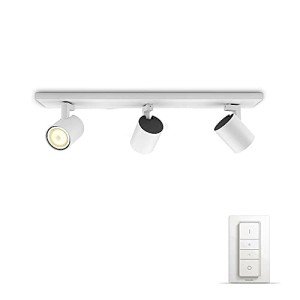
Shop Lighting UK: Illuminating the Retail Experience
In the ever-evolving world of retail, the value of shop lighting can not be overstated. It not only enhances the visual appeal of products but also affects client behavior, their mood, and the total shopping environment. With developments in innovation and design, shop owners in the UK have a myriad of choices to pick from when it comes to lighting services. Read the Full Content will check out the types of lighting readily available, their advantages, and factors to consider for developing the perfect ambiance in a retail area.
Importance of Proper Shop Lighting
Efficient shop lighting plays an important function in customer experience and can substantially affect sales. Here are some key factors why sufficient lighting is important for retail environments:
- Highlighting Products: Good lighting accentuates products, making them more enticing to customers.
- Creating Atmosphere: The right lighting can set the mood and evoke feelings, affecting purchasing choices.
- Enhancing Safety: Well-lit shops are more secure, assisting consumers browse without threat of tripping or accidents.
- Improving Visual Merchandising: Proper lighting can improve screens, making them lively and eye-catching.
Kinds Of Shop Lighting
Shop owners can select from various types of lighting, each serving various purposes, including ambient, job, accent, and decorative lighting. Here's a breakdown of each type:
| Type of Lighting | Description | Finest Uses |
|---|---|---|
| Ambient Lighting | Supplies total lighting to the space. | General retail areas like shops and grocery stores. |
| Job Lighting | Concentrate on particular areas to boost presence for jobs. | Checkout counters and dressing rooms. |
| Accent Lighting | Highlights particular products or displays, developing a focal point. | Show cases, art, or promotional products. |
| Decorative Lighting | Includes visual appeal and improves the overall design. | Chandeliers and distinct fixtures in high-end shops. |
1. Ambient Lighting
Ambient lighting is the foundational lighting within a shop. It fills the entire space, ensuring that customers can see and navigate conveniently. Retailers ought to think about using LED panels or ceiling-mounted fixtures, as they provide energy performance and excellent light circulation.
2. Job Lighting
Job lighting is essential for locations where specific activities happen, such as checkout counters or workstations. Shop owners can set up under-cabinet lighting or track lights to focus lighting on these areas, enhancing the convenience and experience for both personnel and customers.
3. Accent Lighting
Accent lighting helps accentuate specific items or functions within the store. This kind of lighting can be achieved through spotlights, track lights, or tactically placed wall-mounted fixtures. It is particularly reliable for showcasing included products, marketing displays, or artwork, assisting consumer focus where it's most required.
4. Decorative Lighting
Beyond performance, decorative lighting elements include style and character to a retail area. Unique fixtures, such as pendant lights or oversized chandeliers, can create a remarkable environment, particularly in boutiques or high-end merchants. These declaration pieces not only light up but likewise improve the shop's branding and aesthetic appeal.
Choosing the Right Lighting for Your Shop
When selecting lighting for a retail environment, shop owners ought to think about the list below factors:
- Store Type: Different types of retail require varying lighting solutions. A fashion jewelry store might require softer, more concentrated lights, while a supermarket might require brighter ambient lighting.
- Color Temperature: The color of light can affect the perception of items. Warm lights (under 3000K) produce a comfortable feel, while cool lights (above 3000K) can make a space feel more contemporary.
- Energy Efficiency: The usage of LED lighting not just conserves energy but likewise lowers expenses in time.
- Flexibility: Install dimmers or adjustable fixtures to adjust lighting for various celebrations or seasonal modifications.
The Future of Shop Lighting
As innovation advances, shop lighting is ending up being progressively advanced. Here are some trends shaping the future of retail lighting in the UK:
- Smart Lighting Solutions: Integrated innovation allows for push-button control and automation of lighting systems by means of smart devices or home assistants.
- Sustainable Lighting: There is a growing focus on environment-friendly services, with merchants opting for products that lessen ecological effect.
- Focal Point Lighting: Retailers are progressively utilizing lighting to create particular focal points that guide consumer traffic and boost product display screens.
Frequently Asked Questions about Shop Lighting in the UK
Q: What is the very best kind of lighting for a clothes store?A: A combination of
ambient and accent lighting is generally best. Ambient lighting is required for overall visibility, while accent lighting can help highlight crucial pieces or collections. Q: How can I make my shop lighting more energy-efficient? A: Consider utilizing LED lights, installing motion sensors, or including
dimmers. This reduces energy consumption and costs in the long run. Q: Should I utilize natural light in my shop?A: Yes, using natural light can enhance consumer experience whileminimizing energy expenses. Nevertheless, it is very important to balance natural light with artificial lighting, particularly on cloudy days. Q: How often should I replace my shop's lighting fixtures?A: This depends upon the kind of fixtures used. LED lights can last as much as 25,000 hours, while traditional bulbs
might need to be replaced more regularly. Routine upkeep checks are advised. In a significantly competitive retail environment, shop lighting plays a vital function in forming client experiences and driving sales. Retailers in the UK have a wide selection of options and technologies at their disposal to produce the ideal atmosphere. By comprehending the significance of the various types of lighting and how to implement them successfully, shop owners can boost their area, making shopping more enjoyable for clients while increasing their bottom line.